













Optimizing de-airing in open heart surgery through controlled CO₂ delivery
CarbonAid® and CarbonMini® are diffuser-based CO₂ systems designed to create a stable protective atmosphere in the surgical field — supporting reduced air emboli and efficient de-airing during cardiac surgery.
This page provides a structured, evidence-based overview intended for cardiac surgeons, perfusionists, clinical partners, and distributors preparing for clinical discussions.
Key evidence for the use of Cardia's CO₂ diffusers in cardiac surgery
Why CO₂ matters
Without CO₂, air bubbles occur routinely during open heart surgery
Midesophageal long-axis view — Left atrium / Left ventricle / Ascending aorta
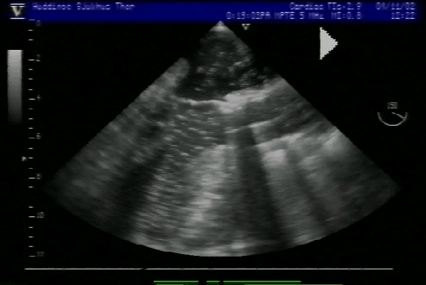
- · left atrium
- · left ventricle
- · ascending aorta
If not cleared effectively, these bubbles may enter the arterial circulation and become microemboli.
- · Requires 15–20 minutes post-procedure
- · May leave residual air
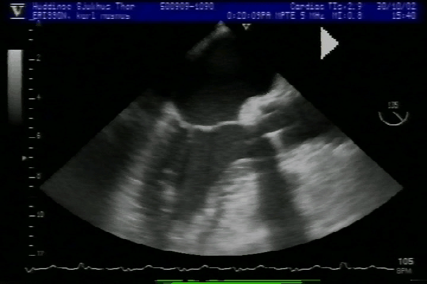
CO₂ insufflation significantly reduces microemboli and accelerates clearance.¹
Svenarud P, Persson M, van der Linden J. Circulation 2004;109:1127–32.
Why CO₂ works
→ These properties support faster dissolution of residual gas bubbles and more effective displacement of air from the surgical cavity.
Why the CO₂ delivery method matters
Although CO₂ insufflation has been used for decades, clinical and experimental studies demonstrate that effectiveness depends critically on how CO₂ is delivered into the surgical cavity. Turbulent delivery methods may cause substantial mixing between CO₂ and ambient air, limiting cavity saturation and reducing protective effect.
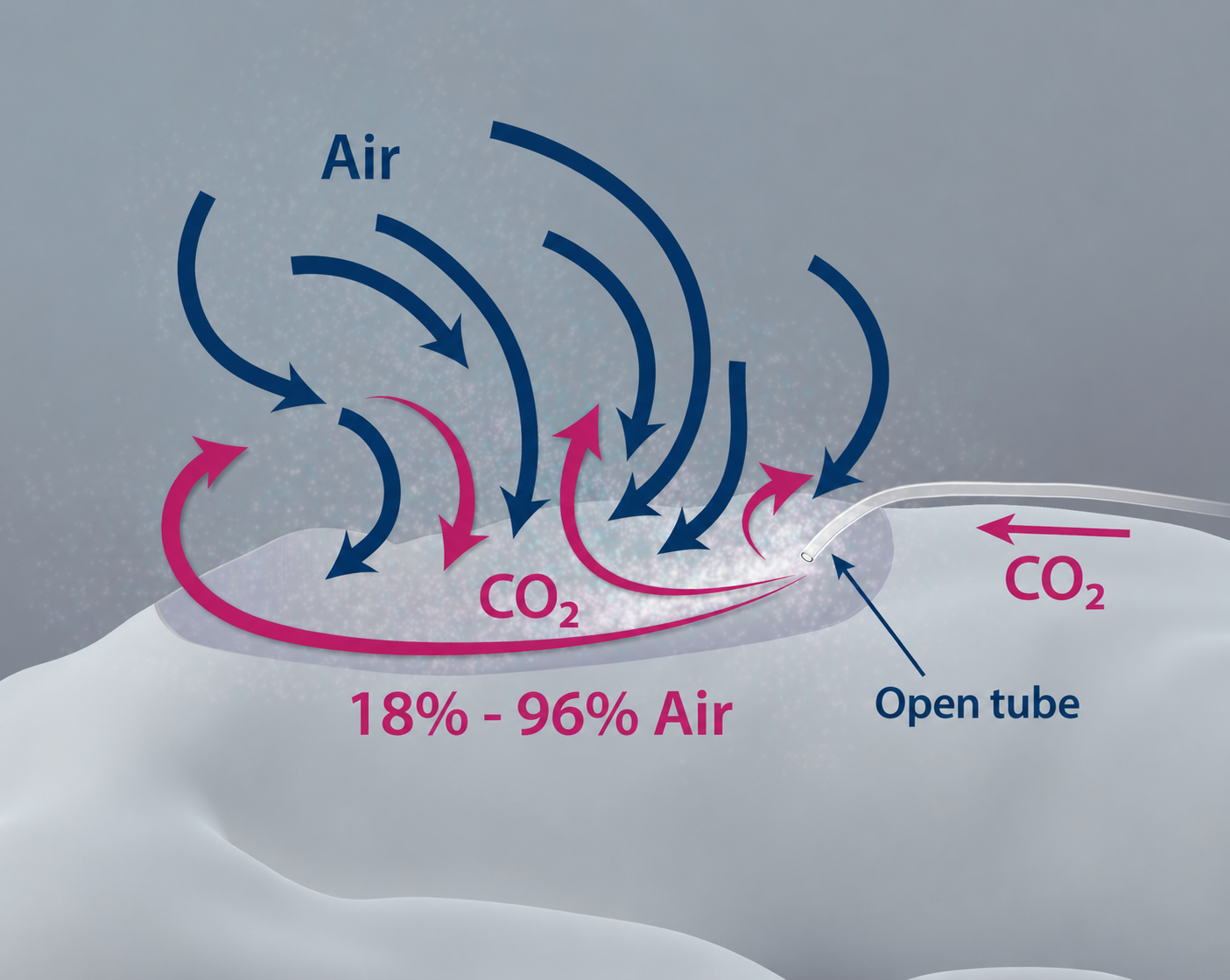
Open tubes & gauze-covered tubing
- → Turbulent flow
- → Mixing with ambient air
- → Unstable cavity saturation
Persson M et al. J Cardiothorac Vasc Anesth. 2003;17:329–335.
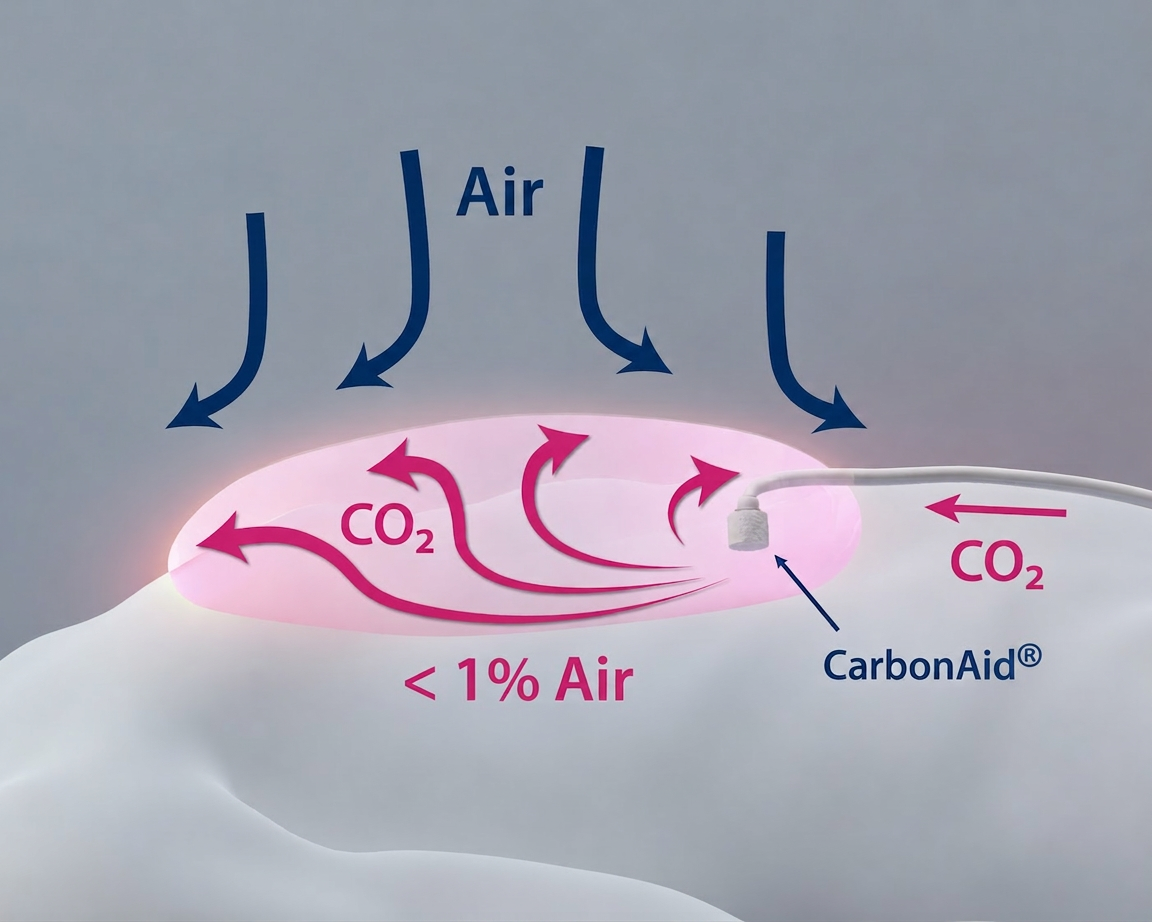
CarbonAid® / CarbonMini®
- → Laminar-like, low-velocity flow
- → Stable CO₂ field
- → Continuous filling
Persson M et al. J Cardiothorac Vasc Anesth. 2003;17:329–335.Svenarud P et al. J Thorac Cardiovasc Surg. 2003;125:1043–1049.
Why diffuser design matters
Experimental and clinical studies demonstrate that diffuser geometry and gas flow characteristics strongly influence the ability to maintain a stable CO₂ atmosphere within the surgical cavity.
Performance differences become particularly important under real surgical conditions involving suction, hand movement, fluid exposure, and cavity disturbance.
Infrared visualization of CO₂ field behavior at 10 L/min under controlled experimental conditions.
Stable CO₂ field formation
CarbonAid® creates a calm and homogeneous CO₂ field with stable cavity filling behavior. Alternative diffuser designs may produce substantially more turbulent flow patterns, increasing mixing with ambient air and reducing cavity stability.
The ability to maintain a stable CO₂ atmosphere becomes particularly important during real surgical conditions involving movement, suction, and cavity disturbance.
Alternative diffuser design
Visible bubbling from locally higher gas velocity
CarbonAid®
No bubbling under fluid exposure; broad surface supports low local CO₂ velocity
This controlled fluid-exposure experiment visualizes how diffuser geometry affects local gas velocity. Bubbling indicates gas emerging through submerged areas, while absence of bubbling supports low local flow velocity across the diffuser surface.
Stable flow behavior under fluid exposure
Experimental visualization demonstrates how diffuser geometry influences gas flow behavior under fluid-exposed conditions. CarbonAid® maintains stable, low-velocity CO₂ delivery without visible bubble formation, even during direct fluid exposure.
In contrast, alternative diffuser designs may generate substantial turbulence and gas bubbling under identical conditions. Maintaining stable flow characteristics during surgery is important for preserving effective cavity saturation and minimizing disturbance of the protective CO₂ field.
Click image to enlarge
Peer-reviewed comparison under clinically relevant conditions
Comparative testing in a simulated thoracic cavity demonstrated clear performance differences between CO₂ delivery methods. Across the tested conditions, CarbonAid® created a 100% CO₂ atmosphere under most circumstances, while other devices were more easily disturbed and allowed greater mixing with ambient air.
The study showed that CO₂ field flooding is influenced by flow rate, device geometry, positioning, and disturbance of the cavity atmosphere. Lower flow rates were generally insufficient; clinically relevant flow rates of 7–10 SLPM were required for effective field flooding.
The authors further note that a 100% CO₂ atmosphere is the most certain way to prevent air emboli. In this context, the ability to maintain near-complete CO₂ saturation under practical conditions is highly relevant.
CarbonAid® was identified as the most robust option across the relevant flow range, while CarbonMini® remained acceptable at 7 and 10 SLPM, supporting its use where a smaller diffuser format is required.
Based on the authors’ practical interpretation of comparative rise-time and maximum-concentration findings in a rectangular thorax model. See Vandenberghe et al., J Thorac Cardiovasc Surg. 2020;159(3):958–968, especially Figure 7, Table 3, and Discussion.
Demonstrated clinical impact during cardiac surgery
Clinical and experimental studies demonstrate that effective CO₂ insufflation can significantly reduce gaseous microemboli and accelerate de-airing during open cardiac procedures. The ability to maintain a stable CO₂ atmosphere throughout surgery is central to achieving these effects.
Randomized clinical studies demonstrate significant reductions in both the number and size of gaseous microemboli during open-heart surgery using diffuser-based CO₂ insufflation. (Svenarud et al)
Effective CO₂ insufflation supports faster and more complete clearance of residual intracardiac air following open cardiac procedures. (Chaudhuri et al)
CarbonAid® and CarbonMini® maintain effective cavity saturation under clinically relevant conditions involving suction, movement, and fluid exposure. In contrast, diffuser systems generating more turbulent gas flow may experience substantial reductions in CO₂ concentration when challenged under the same conditions. (Svenarud et al; Vandenberghe et al)
Beyond de-airing
In addition to supporting de-airing, stable CO₂ field formation may contribute to reduction of airborne particle intrusion and influence microbial behavior within the surgical environment.
Experimental cigarette smoke visualization of particle deflection above a CO₂-filled simulated surgical cavity.
Experimental visualization shows that a stable CO₂ field can deflect airborne particles away from the surgical cavity. In the model shown here, the simulated cavity was flooded with CO₂ using CarbonAid®, creating a calm CO₂ field that visibly redirects smoke introduced above the cavity and prevents it from entering the protected space.
This effect is relevant because airborne particles may act as carriers of microbial contamination. Published experimental studies demonstrate substantial reductions in airborne particle intrusion during stable CO₂ insufflation, supporting the role of controlled CO₂ field flooding as an additional protective mechanism beyond de-airing (Kokhanenko et al).
Elevated CO₂ concentrations have a well-documented bacteriostatic effect and can inhibit bacterial growth under physiologic conditions. A stable CO₂ field may therefore provide an additional protective effect beyond de-airing by creating a less favorable environment for bacterial activity in the surgical field. (Persson & Flock et al).
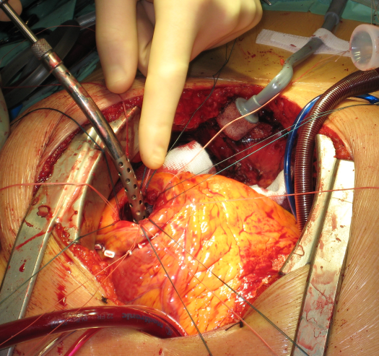
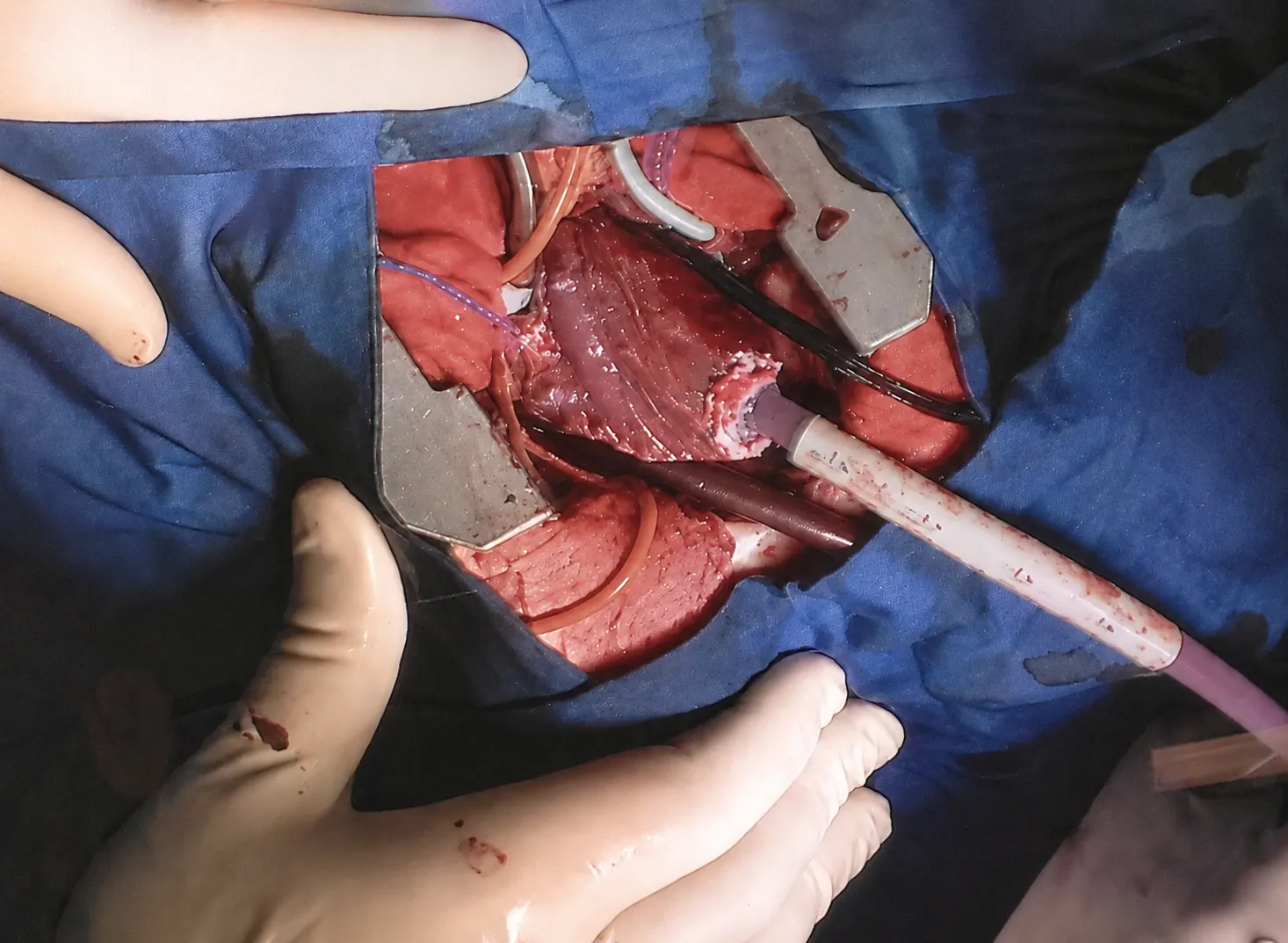
One principle. Two surgical contexts.
Designed for full open access cardiac procedures.
Optimized for restricted access fields.
| Feature | CarbonAid® | CarbonMini® |
|---|---|---|
| Primary indication | Full sternotomy | Minimally invasive procedures |
| Recommended flow rate | 10 L/min | 3–8 L/min |
| Key design focus | Comprehensive cavity coverage | Adapted for smaller surgical fields |
Artivion provides the “CarbonAid® and CarbonMini® In-Service Video” on its North America education resources page. This practical resource is often used by clinicians and is hosted by Artivion.
Perfusionist testimonial
A perfusionist perspective on long-term clinical experience with CarbonAid® in cardiac surgery.
Used with the Permission of Artivion, Inc.
Supervisor, Perfusion Department
The Heart Hospital Baylor Plano
Plano, Texas
Individual clinical experience. Product use must always follow the applicable Instructions for Use and local regulatory requirements.
Continue exploring clinical application and supporting evidence.

Specialized CO₂ field flooding technology for cardiac surgery
Cardia Innovation AB is a Swedish MedTech company specialized in CO₂ field flooding technology for open cardiac surgery.
Developed in close collaboration with clinicians and researchers at Karolinska University Hospital and Karolinska Institutet in Stockholm, our products CarbonAid® and CarbonMini® are engineered to reduce the risk of air embolism and airborne contamination during cardiac procedures.
Today, Cardia products are used by leading hospitals in Sweden and distributed internationally through specialized cardiac surgery partners.
Local contact & distribution
Direct sales by Cardia Innovation AB to leading cardiac centers across Sweden.
Outside Sweden, Cardia products are distributed through specialized local partners serving cardiac surgery centers.